



Every fall, orchards across the Great Lakes region come alive with activity. Apples are picked, fruit bins are filled, tractors move between rows, and growers work long hours to bring in the season’s crop before colder weather arrives.
For many families, the results of the orchard harvest appear in grocery stores, farmers’ markets, cider mills, and eventually on Thanksgiving tables. But behind every apple pie or glass of fresh cider is an enormous agricultural effort that begins months before the first fruit is picked.
From Michigan apples and the orchards of New York to Ontario’s thriving fruit-growing regions, the Great Lakes are home to some of North America’s most productive fruit orchards.
As we at Eastern Manufacturing and Design celebrate Thanksgiving, it’s worth looking at just how much fruit these orchards produce, where it goes after harvest, and the people who make it all possible.
Why the Great Lakes Region Is Ideal for Fruit Growing
The Great Lakes have helped shape the region’s agricultural landscape for generations.
Large bodies of water moderate nearby temperatures, influencing spring warming, fall cooling, and the length of the growing season. In certain areas, these conditions help protect fruit trees from temperature extremes and create favourable environments for growing apples, cherries, peaches, pears, and grapes.
The region’s fruit growers have spent generations developing orchards suited to these conditions.
Michigan is particularly well known for its apples and cherries. New York has a substantial apple industry, including growing regions along Lake Ontario. Across the border, Ontario’s Niagara Peninsula and other fruit-growing areas produce everything from apples and pears to peaches and plums.
Although each region has its own varieties and growing conditions, they all share a long tradition of apple farming and commercial fruit production.
How Much Fruit Comes From Great Lakes Orchards?
The numbers behind the annual fruit harvest are impressive.
Michigan: More Than a Billion Pounds of Apples
Michigan is one of the country’s major apple-producing states.
For the 2025 Michigan apple harvest, growers anticipated approximately 30 million bushels, equivalent to 1.26 billion pounds of apples.
According to the Michigan Apple Committee, the state has approximately 850 family-run commercial apple farms, with more than 17.6 million apple trees growing across 38,000 acres.
That’s a tremendous amount of fruit to pick, transport, sort, and distribute during the apple harvest season.
New York: A Major Apple-Producing State
New York is another important contributor to Great Lakes apple production.
According to USDA figures, New York produced approximately 1.29 billion pounds of apples in 2024, with roughly 1.28 billion pounds utilized for fresh markets and processing.
The state’s growing regions include areas near Lake Ontario, where commercial orchards have been part of the agricultural landscape for generations.
New York apples make their way into grocery stores, cider operations, processing facilities, and other markets throughout the country.
Ontario: Canada’s Largest Apple-Producing Province
Across the border, Ontario is a major contributor to Canadian fruit production.
According to Agriculture and Agri-Food Canada, Ontario produced approximately 161,641 metric tonnes of apples in 2024, representing nearly 42% of Canada’s total apple crop.
That’s approximately 356 million pounds of apples from one province.
And apples are only part of the picture.
Ontario’s overall fruit production reached approximately 277,445 metric tonnes in 2024, including grapes, peaches, pears, plums, and other crops.
Together, these figures show just how important the Great Lakes region is to North American fruit growing.

More Than Apples: The Other Fruits of the Great Lakes
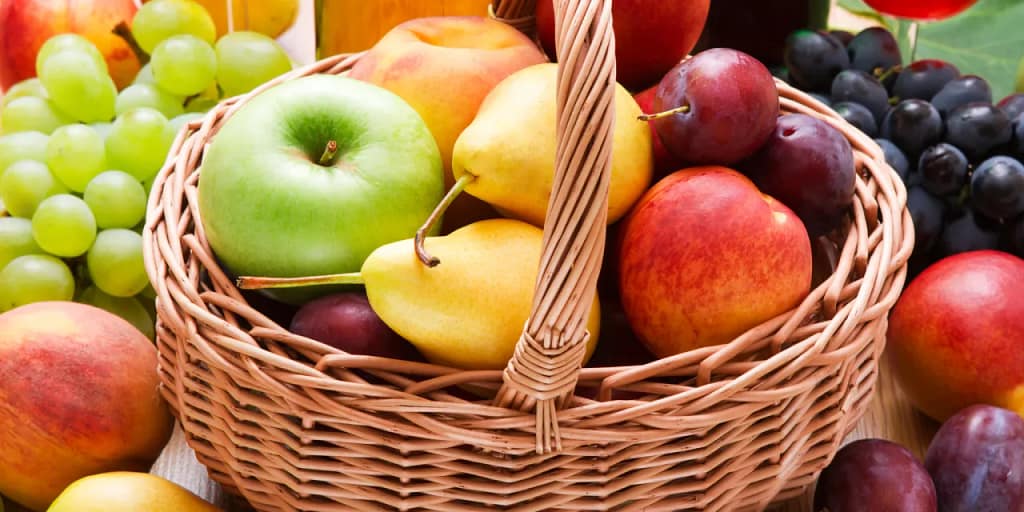
Although apples receive much of the attention during the fall harvest season, the region produces a remarkable variety of fruit.
Cherries
Michigan is especially famous for its tart cherries, which are commonly used in pie fillings, dried fruit, juices, and other processed products.
Sweet cherries are also grown in parts of Michigan, Ontario, and New York.
While cherry harvesting generally happens earlier in the summer, the crop remains an important part of the region’s agricultural economy.
Peaches and Pears
Ontario’s Niagara region is well known for tender fruit production.
Peaches, pears, plums, and nectarines benefit from the area’s growing conditions, providing fresh fruit throughout the summer and early fall.
These crops require careful handling because many tender fruits are particularly vulnerable to bruising and damage during harvest transportation.
Grapes
Grape growing is another important part of Great Lakes agriculture.
Ontario’s Niagara Peninsula, Michigan’s growing regions, and New York’s Finger Lakes and Lake Erie areas support vineyards producing grapes for wine, juice, and other products.
Each crop has its own harvest schedule, but all contribute to the diversity and economic importance of the region’s fruit industry.
Where Does All That Harvested Fruit Go?
Once the orchard harvest is complete, the fruit’s journey is only beginning.
Some apples travel directly to grocery stores, while others are destined for cider mills, food processors, cold storage facilities, or export markets.
Fresh Markets and Grocery Stores
Fresh-market apples are sorted, graded, packed, and transported to retailers.
Some stay close to the farms where they were grown, while others travel hundreds or thousands of kilometres to reach consumers.
The size of this market is significant.
Of the approximately 1.28 billion pounds of apples utilized in New York during 2024, about 517 million pounds went to the fresh market.
That’s a substantial amount of fruit making its way from commercial orchards to produce departments and household kitchens.
Fruit Processing
Not every apple is destined for a grocery store display.
Some varieties are grown specifically for processing, while other apples may be directed to processing because they don’t meet fresh-market appearance requirements.
These apples become products such as applesauce, juice, cider, dried fruit, and pie filling.
In New York alone, approximately 759 million pounds of apples were utilized for processing in 2024.
That’s nearly 60% of the state’s utilized apple crop.
Fruit processing helps extend the usefulness of the harvest, creating products that consumers can enjoy throughout the year.
Cider Mills and Farm Markets
For many families, visiting a local orchard or cider mill is one of the highlights of autumn.
Fresh cider, pick-your-own apples, baked goods, and farm markets create a direct connection between consumers and the people growing their food.
These businesses are also an important part of the regional agricultural economy, helping farms generate revenue through direct sales and seasonal experiences.
Cold Storage and Distribution
Have you ever wondered how locally grown apples remain available long after the fall harvest ends?
Modern apple storage technology plays a major role.
Many commercial operations use refrigerated and controlled-atmosphere storage to slow ripening and preserve fruit quality.
By carefully managing temperature and atmospheric conditions, certain apple varieties can remain marketable for months after picking.
This allows the benefits of the fall harvest to extend well into winter and spring.

The Work Behind Every Orchard Harvest
For orchard owners and workers, harvest is the culmination of an entire growing season.
Long before the first apple is picked, growers are busy pruning trees, managing soil conditions, maintaining equipment, monitoring pests, and protecting their crops from unpredictable weather.
Proper Orchard Floor Management and Apple Orchard Weed Control are just two of the many responsibilities involved in keeping an orchard productive.
When harvest arrives, the focus shifts to collecting fruit efficiently while maintaining quality.
Picking crews, tractors, fruit bins, orchard equipment, and storage operations all need to work together.
Full bins must be collected, empty bins delivered, and harvested fruit transported without unnecessary delays or damage.
This is where reliable fruit harvesting equipment becomes particularly important.
A well-organized operation helps crews maintain a steady pace, reducing downtime and improving overall productivity.
For more on the equipment and planning involved, read How Fruit Bin Trailers Improve Harvest Efficiency.
The scale of modern fruit harvesting is easy to underestimate. Behind every bin of apples are countless decisions, hours of labour, and investments made throughout the year.
The Challenges Growers Face Every Season
Despite the impressive production numbers, growing fruit is rarely predictable.
A late spring frost can damage blossoms before fruit begins developing. Summer droughts, excessive rainfall, hail, and strong winds can all affect the size and quality of a crop.
Growers also face rising operating costs, labour shortages, equipment maintenance, and the challenge of bringing large volumes of perishable fruit to market within a relatively short period.
And even when the growing season goes well, orchard logistics become especially important during harvest.
Harvesting, transporting, storing, and processing fruit must happen on tight schedules. Equipment breakdowns or transportation delays can quickly create problems when crews are working against the weather.
That’s why growers invest so much time in preparing their operations before harvest begins.
Every successful season represents months of planning, hard work, and adapting to conditions that are often beyond anyone’s control.
A Thanksgiving Harvest Worth Celebrating
Thanksgiving gives us an opportunity to appreciate the food produced in our communities and the people responsible for growing it.
Across the Great Lakes, orchard families have spent generations building farms, developing growing practices, and supplying fresh fruit to households across North America.
Their work supports more than the farms themselves.
Packing facilities, food processors, transportation companies, equipment manufacturers, farm markets, and local businesses all play a role in bringing the harvest to consumers.
It’s a reminder that the Thanksgiving harvest is about more than the food on our tables. It’s also about the communities and industries that make that food possible.
Whether you’re enjoying a fresh Ontario apple, a slice of Michigan cherry pie, or cider made from New York apples, there’s a good chance a hardworking grower helped make that moment possible.
And that’s something worth celebrating.

Happy Thanksgiving From Eastern Manufacturing & Design
At Eastern Manufacturing & Design, we’re proud to support the orchard growers who help keep the Great Lakes region productive.
We know that a successful harvest depends on more than favourable weather. It takes dedicated people, careful planning, and dependable equipment that can handle the demands of agricultural work.
From sprayers used to maintain orchard rows to fruit bin trailers that help move harvested fruit, we’re committed to building equipment that supports growers throughout the season.
This Thanksgiving, we want to recognize the orchard owners, farm families, picking crews, and agricultural workers whose efforts bring fresh fruit to our tables.
From all of us at Eastern Manufacturing & Design, happy Thanksgiving, and thank you for everything you do to make each harvest possible.


0 Comments