



Managing an orchard involves much more than pruning trees and harvesting fruit. What happens on the ground beneath and between your rows can have a major impact on tree health, weed pressure, soil quality, and overall productivity.
This is where orchard floor management comes in.
A well-managed orchard floor helps reduce competition from weeds, improves soil structure, conserves moisture, and creates better conditions for spraying, mowing, and harvesting. Whether you’re growing apples, pears, plums, or other fruit crops, having a plan for the orchard floor can improve efficiency and support long-term orchard health.
In this guide, we’ll explain what orchard floor management is, why it matters, and the most common strategies growers use to manage weeds and vegetation throughout the season.
What Is Orchard Floor Management?
Orchard floor management refers to the way growers manage the ground beneath and between orchard rows.
Most orchard floors are divided into two main areas:
- The tree row, where fruit trees are planted
- The row middle, the area between rows used for equipment traffic
Each area serves a different purpose and often requires a different management approach.
The goal is to create an environment that supports healthy tree growth while minimizing weed competition, reducing erosion, and maintaining safe access for equipment.
A successful orchard floor management program balances weed control, soil health, moisture conservation, and operational efficiency.
Why Orchard Floor Management Matters
Weeds compete directly with fruit trees for water, nutrients, and sunlight. In young orchards especially, uncontrolled weeds can significantly reduce tree growth and delay production.
Good orchard floor management helps:
- Reduce weed competition around trees
- Improve water retention during dry periods
- Minimize soil erosion
- Improve trafficability for tractors and equipment
- Support beneficial soil organisms
- Reduce the need for repeated herbicide applications
Over time, these benefits can contribute to stronger trees, healthier soils, and more consistent yields.
Common Orchard Ground Cover Options

Choosing the right orchard ground cover strategy depends on factors such as soil type, rainfall, equipment, and management goals.
Most orchards use one or a combination of the following approaches.
Grass Alleyways
Permanent grass in row middles is one of the most common orchard ground cover systems.
Grass provides a stable surface for tractors and harvest equipment while helping reduce erosion and soil compaction. Regular mowing keeps vegetation manageable throughout the growing season.
Many growers maintain grass between rows while using herbicides or mulch beneath the trees.
Mulch
Organic mulches such as wood chips, bark, or compost help suppress weeds and conserve soil moisture.
Mulch can be especially beneficial in young orchards where trees are still establishing root systems. It also contributes organic matter to the soil as it breaks down.
However, mulch requires periodic replenishment and may attract rodents if applied improperly.
Natural Vegetation
Some growers allow native vegetation to grow in selected areas of the orchard.
This approach can support biodiversity and beneficial insects while reducing maintenance costs. However, unmanaged vegetation may compete with trees if it spreads into the tree row.
Cover Crops
Interest in cover crops for orchards has grown significantly in recent years as growers look for ways to improve soil health and reduce inputs.
The Benefits of Cover Crops for Orchards
Cover crops are intentionally planted vegetation used to improve soil conditions and provide additional agronomic benefits.
Common orchard cover crops include:
- Clover
- Ryegrass
- Fescue
- Annual rye
- Legume mixes
Cover crops can provide several advantages:
Improved Soil Structure
Cover crop roots help break up compacted soils and improve water infiltration. This allows rainfall to move more effectively into the root zone instead of running off the surface.
Reduced Erosion
Bare soil is vulnerable to erosion from wind and water. Cover crops help protect the soil surface and reduce nutrient loss.
Increased Organic Matter
As cover crops decompose, they contribute organic matter that improves soil structure and microbial activity.
Support for Pollinators
Certain flowering cover crops provide habitat and food sources for pollinators and beneficial insects.
Better Moisture Management
Cover crops help moderate soil temperatures and can improve water retention under the right conditions.
While cover crops offer many benefits, they still require management through mowing or other methods to prevent excessive competition with fruit trees.

Fruit Tree Weed Control Strategies
Effective fruit tree weed control is one of the most important components of orchard floor management.
Most growers use a combination of methods rather than relying on a single solution.
Herbicide Programs
Herbicides remain one of the most efficient tools for controlling weeds beneath trees.
Both pre-emergent and post-emergent herbicides can play a role in maintaining clean tree rows throughout the season.
For a deeper look at herbicide strategies, see our guide on Apple Orchard Weed Control.
When applying herbicides, proper sprayer setup and calibration are essential for achieving consistent coverage and reducing waste.
You can learn more in our article on How to Calibrate a Boom Sprayer.
Mulching
Mulch creates a physical barrier that prevents many weed seeds from germinating.
When combined with targeted herbicide applications, mulch can significantly reduce overall weed pressure.
Mechanical Control
Cultivation equipment can be used to remove weeds without chemicals.
While effective in some situations, repeated cultivation can increase soil disturbance and potentially damage tree roots if not managed carefully.
Mowing
Mowing is commonly used to manage vegetation in row middles and access areas.
Although mowing does not eliminate weeds completely, it helps reduce competition and keeps vegetation manageable throughout the season.
Building an Integrated Orchard Weed Control Program
The most successful orchard weed control programs combine multiple strategies.
For example, a grower may use:
- Herbicides beneath tree rows
- Grass alleyways between rows
- Cover crops in selected areas
- Regular mowing throughout the season
This integrated approach helps reduce reliance on any single weed control method while supporting long-term orchard health.

Proper spraying practices are also important. If you’re applying herbicides, be sure to review our guide on How to Prevent Herbicide Overspray to improve accuracy and protect nearby vegetation.
Finding the Right Orchard Floor Management Strategy
There is no single orchard floor management system that works for every operation.
Factors such as orchard age, soil type, climate, irrigation practices, and available equipment all influence which approach makes the most sense.
Some growers prioritize weed suppression. Others focus on improving soil health through cover crops and organic matter. Many combine multiple methods to achieve the best balance of productivity and sustainability.
The key is developing a system that supports healthy trees while allowing efficient operation throughout the growing season.
Upgrade Your Orchard Spraying Equipment
Effective orchard floor management often depends on accurate herbicide application and reliable spraying equipment.
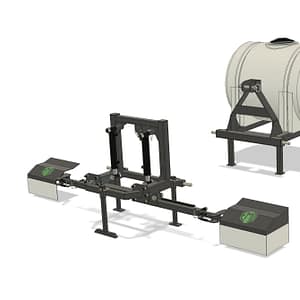
At Eastern Manufacturing & Design, we build durable orchard sprayers designed to help growers improve weed control, reduce chemical waste, and work more efficiently throughout the season.
Whether you’re managing young trees, maintaining clean tree rows, or implementing a long-term orchard weed control program, our equipment is built to handle real-world orchard conditions.
👉 Explore our line of 3-point orchard sprayers and spraying equipment to find the right solution for your operation.


0 Comments