


Introduction
The orchard herbicide sprayer has become an indispensable tool for modern orchard management. With the increasing demands for productivity and efficiency, the use of these sprayers has intensified. However, the environmental concerns surrounding herbicide use cannot be overlooked. It’s imperative that orchard owners utilize herbicide sprayers responsibly to minimize the potential adverse effects on the ecosystem.
Understanding Herbicides in Orchard Management
Herbicides are indispensable in maintaining the health and productivity of orchards. They eliminate weeds that compete with fruit trees for nutrients and water. While non-selective herbicides obliterate all plants they contact, selective herbicides target specific weed species, safeguarding the orchard’s biodiversity. Amid growing environmental concerns, the pivot towards organic and eco-friendly herbicides is becoming more pronounced among orchard equipment manufacturing.
The Importance of Following Manufacturer Instructions
Adhering strictly to the guidelines set by orchard sprayer manufacturers is not just a matter of compliance—it’s a matter of safety and environmental stewardship. Missteps in dilution and application can lead to overuse, harming both the orchard and the surrounding ecosystem. Precision in following instructions ensures the right amount of herbicide is used, reducing potential harm and waste.
Optimizing Timing and Weather Conditions for Spraying
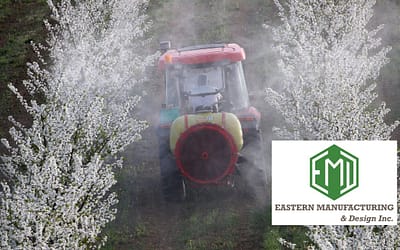
Timing is everything when using orchard spraying equipment. Applying herbicides under calm weather conditions prevents drift, which can inadvertently affect nearby flora and fauna. Spraying during a still morning or late afternoon, when pollinators are less active, and on days when rain is not forecasted, reduces the risk of herbicide runoff contaminating water sources.
Targeted Application: Enhancing Precision and Reducing Waste
One of the key advantages of an orchard boom sprayer is its ability to deliver herbicides directly where needed. Precision spraying technologies enable farmers to target weeds without affecting the rest of their crops. This targeted approach is not just environmentally sound; it’s also cost-effective, as it reduces the quantity of herbicides used.
Protecting Water Sources from Contamination
The proximity of orchards to natural water bodies necessitates caution. The chemicals in some herbicides can leach into the ground and contaminate water sources. Orchard weed sprayer users must create buffer zones around water sources and select products known for low soil mobility to prevent such risks.
Maintenance: Keeping Orchard Spraying Equipment Clean
Proper maintenance of orchard spraying equipment extends its lifespan and prevents the cross-contamination of herbicides. A thorough cleaning routine after each use is imperative to ensure that no residue remains that could affect subsequent applications or harm the environment.
Responsible Disposal of Herbicides
The disposal of unused herbicides and their containers should never be taken lightly. Adhering to local regulations for disposal is critical to prevent environmental damage. Safe disposal practices protect soil quality and water purity, thereby preserving the local ecology.
Embracing Alternative Weed Control Methods
While orchard spraying equipment plays a crucial role in weed management, alternative methods can significantly reduce reliance on chemical herbicides. Manual weeding, though labour-intensive, offers precision and immediate results, while mulching suppresses weed growth naturally. Moreover, integrating these methods can enhance soil health and support an eco-friendly orchard ecosystem.
Conclusion: Our Role in Responsible Herbicide Use
As we utilize orchard herbicide sprayers, it’s imperative to remember that each step taken towards responsible use is a step towards a healthier planet. By adhering to best practices in the application, maintenance, and disposal of herbicides, we contribute to the sustainable future of agriculture and the well-being of our environment. Let’s embrace these principles and lead the way in responsible orchard management.

0 Comments